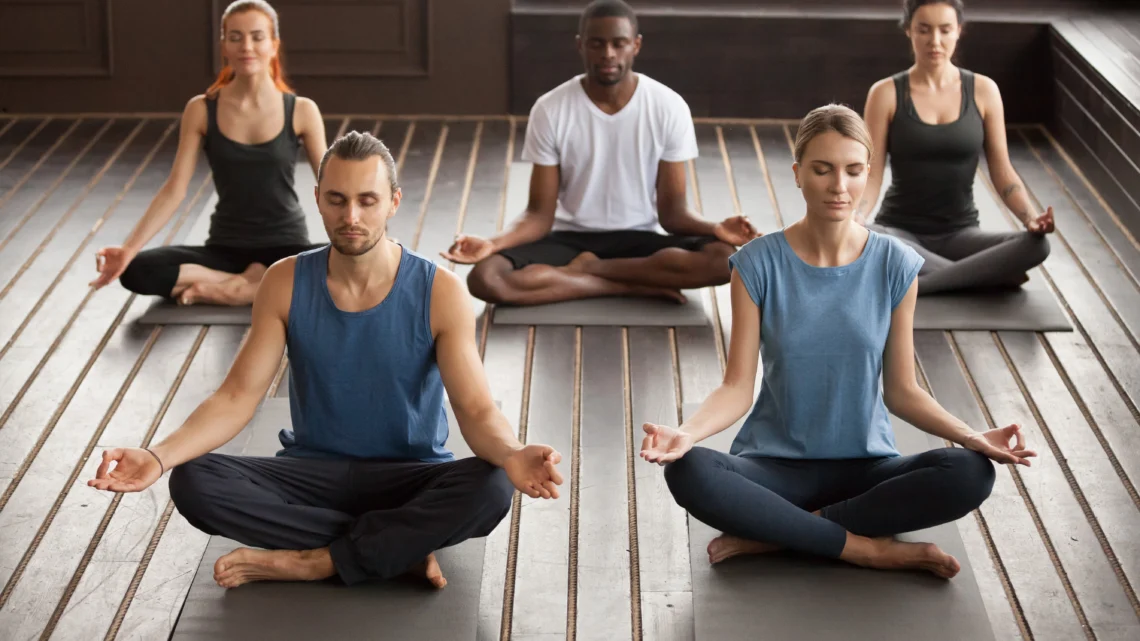
Breathe, Balance, Become: Your Journey Through Yoga
People usually turn to yoga when something inside them becomes too loud to ignore. It might be constant fatigue, or a strange heaviness that sits between the chest and the mind. Sometimes it’s the feeling of being mentally cluttered even when nothing dramatic is happening. Everyone recognises the moment in their own way, and it rarely arrives gently.
The idea of slowing down sounds simple, yet most of us don’t know how to actually do it. That’s where yoga enters, not as a dramatic lifestyle change but as a small pause you finally allow yourself to take. The practice isn’t about flexibility or fancy poses. It’s about getting honest with yourself. Real yoga begins the moment you stop pretending you’re fine and actually listen to what your body has been trying to tell you.
Breathe — The Part of Life You Forgot Was Missing
Breathing seems like the most natural thing in the world. Yet most people do it in a way that exhausts them without noticing. The breath stays trapped in the chest, movements grow tight, and stress spreads quietly through the body. This shallow pattern becomes normal until the day it finally feels overwhelming.
A proper inhale during yoga feels different. Air moves deeper. The ribs lift without strain. The stomach softens instead of tensing up. This kind of breathing sends a clear message to the brain that you’re not in danger anymore. The mind doesn’t need to stay alert the way it used to.
Over time, this steady breathing gives you a little more control. Thoughts don’t rush at you all at once. Reactions slow down. The nervous system stops working against you. Even physical tension reduces because the muscles aren’t fighting for oxygen.
No spiritual explanation is required. The body simply works better when you give it enough air.
Balance — More About Awareness Than Stability
A balance pose looks simple until your mind wanders. The moment attention slips, the body sways. This has less to do with physical ability and more with how scattered someone feels inside. A student might enter a pose with confidence, and a second later lose focus entirely because a random thought interrupted them.
Practising balance helps you notice these invisible shifts. You realise how quickly the mind jumps from task to thought to worry. You also start recognising how much effort it takes to bring yourself back. The posture becomes a training ground for life outside the mat.
People begin responding to difficult situations differently. The pause they use to steady themselves in a pose gradually becomes a pause in real conversations. Frustration doesn’t explode as easily. Decisions don’t come from impulse. A small space forms between thought and action, which becomes the foundation of emotional stability.
Balance isn’t about staying still. It’s about being able to return to yourself when everything inside you moves at once.
Become — The Quiet Change That Builds Over Time
Yoga rarely changes someone dramatically in a single session. It works more like a slow adjustment, where parts of your life shift without you noticing at first. Weeks pass, and you start handling frustration differently. The body stops aching in the same places. Even your breathing catches a natural rhythm during stressful moments.
This “becoming” phase doesn’t feel grand. It feels subtle, like noticing sunlight entering a room you’ve walked through a thousand times. You feel more patient without trying. Daily tasks feel slightly easier. Confidence grows because you trust your body more. And eventually, you realise the practice has shaped the way you speak, move, and think.
Yoga doesn’t create a new identity. It uncovers the one that’s been buried under burnout, pressure, and emotional fatigue. Slowly, you return to yourself.
What Happens to the Body When Yoga Becomes Routine
People often expect dramatic physical results. The truth is a lot simpler. Yoga strengthens the body in ways that are practical instead of flashy. Core muscles engage gently but consistently. Posture shifts from slouched to supported. Breathing becomes deeper, which improves endurance in daily activities.
Tightness in the hips fades because the movements encourage mobility rather than force. Back pain decreases as the spine gains freedom. Neck tension softens because shoulders stop carrying stress they were never meant to hold. All of this adds up to a body that feels functional again, not strained.
Flexibility increases gradually. Strength grows from small adjustments rather than heavy effort. Joints feel safer because muscles support them better. You might not notice these changes day by day, but the difference becomes clear when old discomfort doesn’t return anymore.
Yoga’s Impact on the Mind — The Unexpected Advantage
The mental effects of yoga often catch people off guard. The practice forces the mind to stay present, even if only for a few minutes. This brief break from mental clutter feels like relief, especially for someone who hasn’t slowed down in months.
Patterns in the mind begin shifting. Worries lose their intensity. Thoughts that used to trigger anxiety hold less power. Emotional reactions become softer. And sleep often improves because the body stops carrying the tension of every unresolved moment.
People don’t come to yoga for mental clarity, yet this clarity becomes one of the main reasons they continue. The lightness they feel afterward becomes addictive — in a good way.
Yoga and Weight Loss — A Practical Breakdown
Weight loss through yoga happens differently compared to high-intensity workouts. The calorie burn is steady, not extreme. Hormonal balance improves because breathing reduces stress. Digestion becomes more efficient due to consistent movement. And emotional eating decreases naturally when the mind feels calmer.
Vinyasa flows, Surya Namaskar, and controlled breathwork play a significant role here. These movements combine strength, mobility, and aerobic effort without overwhelming the joints. Most importantly, people actually stick to yoga longer because it feels sustainable. That consistency supports long-term weight management more than intensity ever could.
A Routine That Makes Sense for Real Life
A practical yoga routine doesn’t require an hour. Something shorter can still make a difference if done regularly. A few minutes of breathwork in the morning wakes the mind gently. Basic movements prepare the spine. A small sequence of Surya Namaskar warms the muscles. Evening poses help release the stiffness collected during the day.
This structure keeps the practice realistic. No complicated flows. No pressure. Just steady commitment.
A Helpful Place to Begin — EFC Gym Noida
Starting yoga alone feels intimidating for many people. Guidance matters, especially during the early phase when you’re unsure about alignment or breathing technique. A supportive environment reduces the chances of injury and boosts confidence.
EFC Gym Noida provides that kind of environment. Their trainers pay attention to detail. They don’t rush through sessions. Postures get corrected gently, and students receive explanations that make sense. The atmosphere is calm enough for beginners and structured enough for people who want consistency.
Whether someone is dealing with stiffness, stress, weight issues, or general fatigue, the instructors adjust the practice according to the person’s ability. The focus stays on safety, awareness, and genuine improvement.
For anyone in Noida looking for a place to begin, EFC Gym Noida offers a simple and approachable way into yoga.
Your Journey Doesn’t Start With Perfection — It Starts With Awareness
There’s no need to prepare yourself before starting yoga. Confidence isn’t required. Flexibility doesn’t matter. What matters is acknowledging that your body and mind deserve a little attention.
A single slow breath can mark the beginning of change. One small pause can reshape the rhythm of your day. The rest unfolds over time, sometimes quietly, sometimes noticeably, but always in a direction that feels steadier than before.
Breathe when you remember.
Balance when you can.
Become who you’ve been avoiding for years — your actual self.
